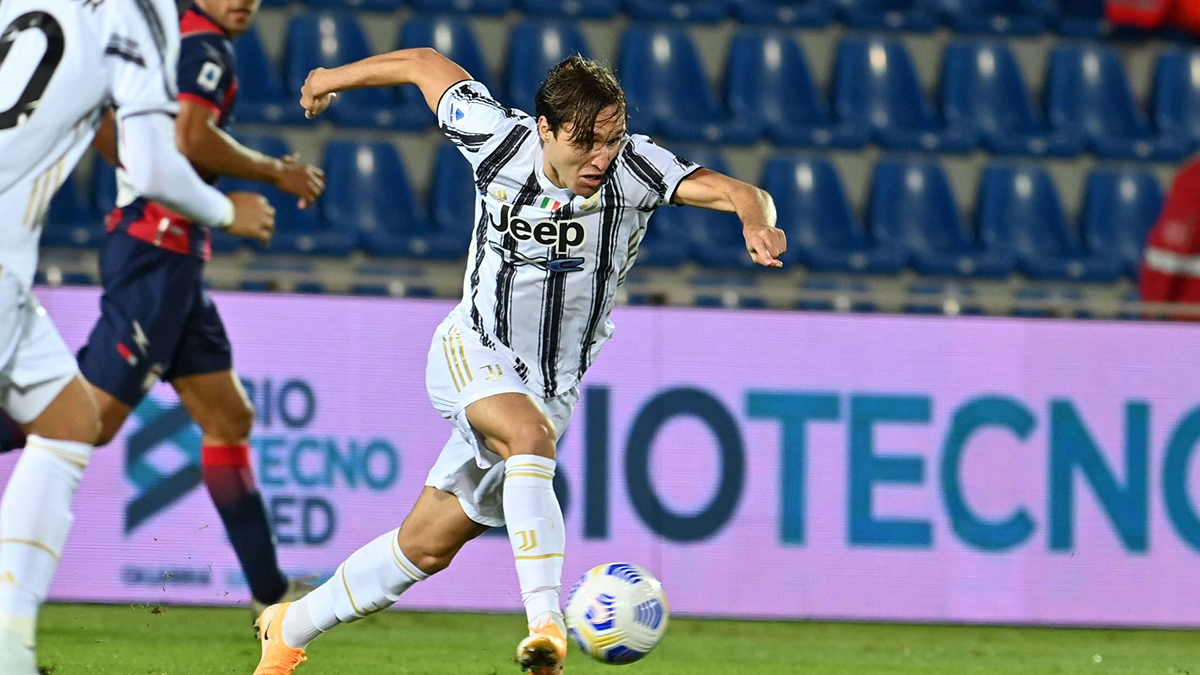
Federico Chiesa is once again being linked with Juventus, but the context is fundamentally different this time. The club is undergoing a quiet rebuild, and the new technical direction prioritises adaptable profiles. That is where Chiesa re-enters the picture.
A different Juventus, a different scenario
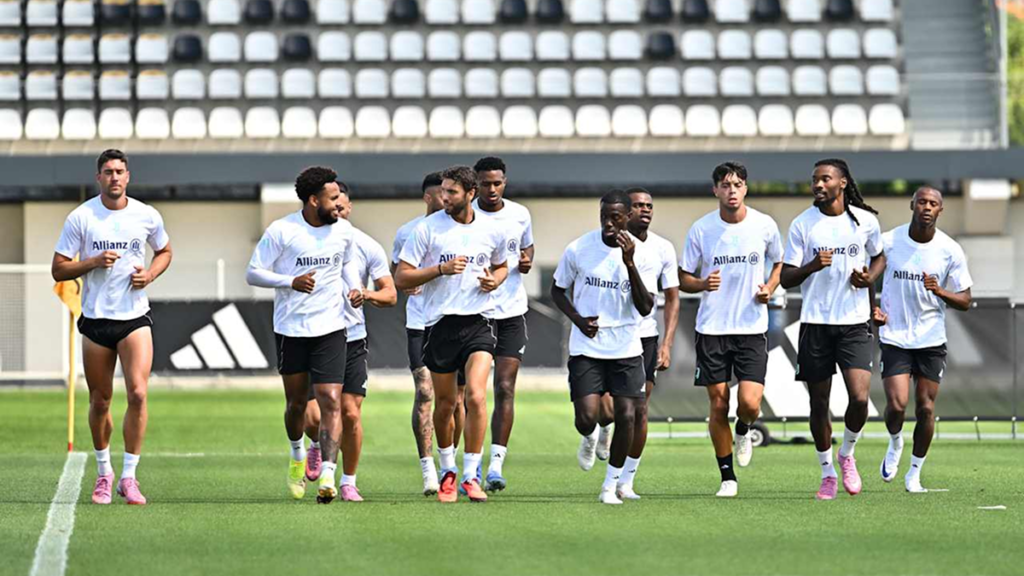
Juventus is no longer the environment Chiesa left behind. Structural changes off the pitch and a renewed footballing vision have reshaped internal dynamics. Yet the most significant shift lies on the field, where tactical clarity now demands players capable of interpreting multiple roles.
The emerging 4-2-3-1 system requires wide attackers who offer more than pace. Positional intelligence, transitional awareness and off-ball contribution are essential. In that framework, Chiesa’s profile fits more naturally than expected.
More than cover: a tactical lever
At first glance, Chiesa could be seen as depth behind younger options on the left flank. But the real value lies elsewhere. If certain attacking talents are deployed centrally, space opens for Chiesa to operate in his most effective zone — the left wing.
This is where his acceleration and direct running remain decisive. Yet the true reason Juventus are revisiting this option is not a single position, but the tactical freedom his presence provides.
Four roles, one solution
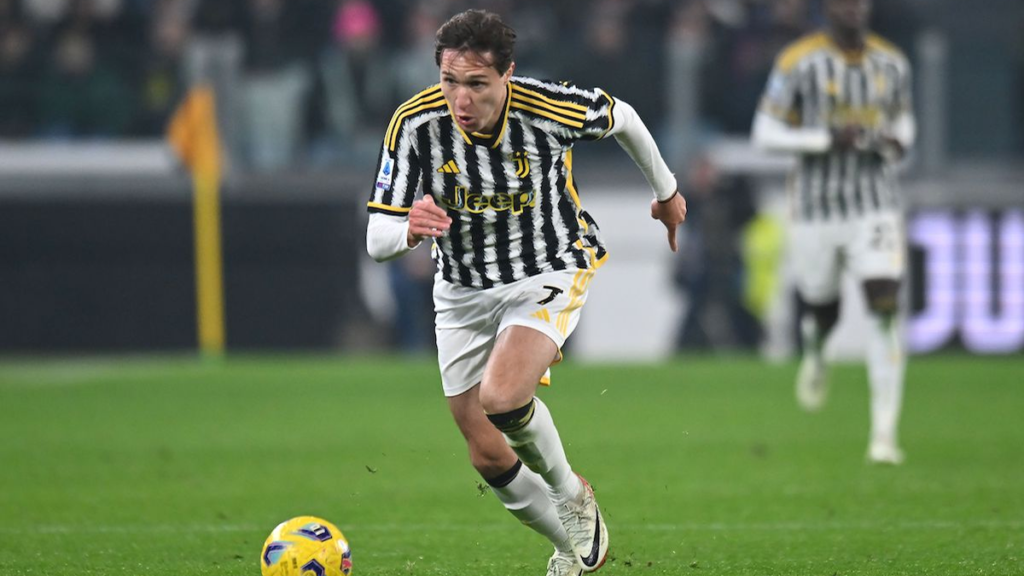
Chiesa is no longer a one-dimensional player. Over the years, he has operated on both wings, as a central striker and behind the forward line. In a modern Juventus setup, that translates into adaptability without altering the system.
Depending on the opponent, he could rotate with wide players, offer a more dynamic central attacking option, or act as a link between midfield and attack. Such versatility is increasingly vital in a season defined by tight schedules and contrasting tactical demands.
A return without nostalgia
This would not be a sentimental comeback, but a calculated one. Juventus are not seeking the Chiesa of the past, but the current version: more experienced, more flexible and aware of his role. The key, however, lies in continuity and physical condition — without them, no tactical plan can truly function.
How the puzzle ultimately fits will depend on summer decisions and squad hierarchy. What is clear is that this story is far from over, and this potential return may carry more logic than initial impressions suggest.