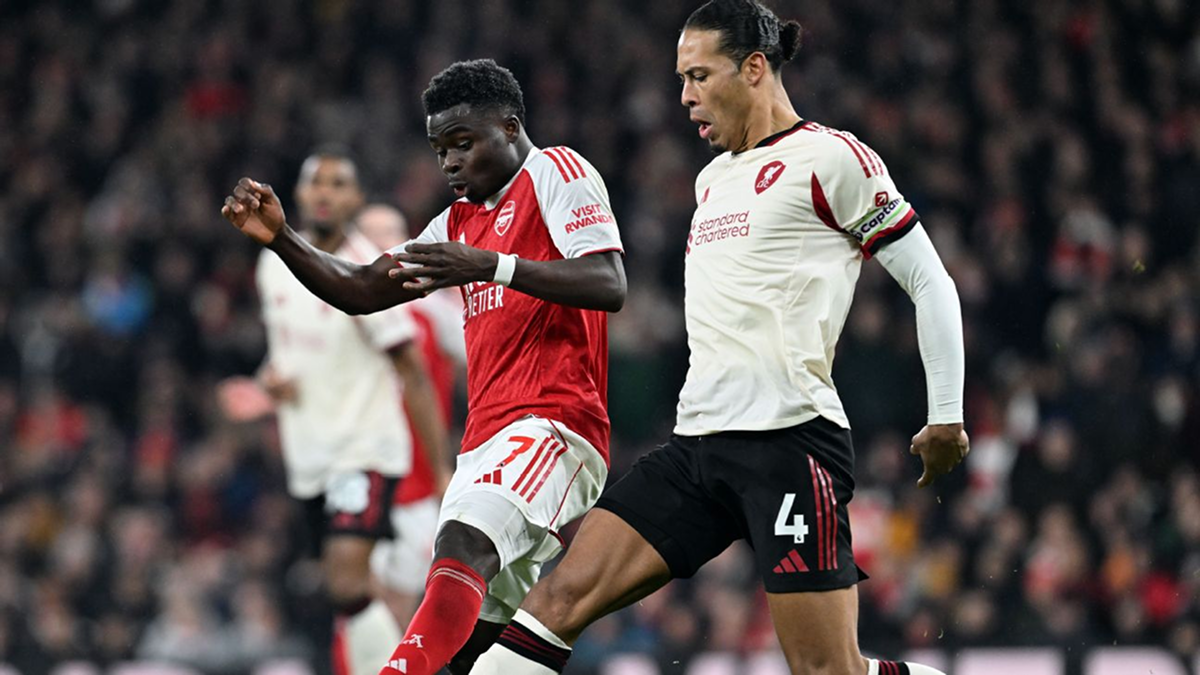
The Premier League clash at the Emirates finished without goals and without a winner. Arsenal and Liverpool played out a disciplined, stop-start contest where defensive structure dominated the narrative. Yet beneath the 0–0 scoreline lies a far more layered story.
First half: balance with a warning sign
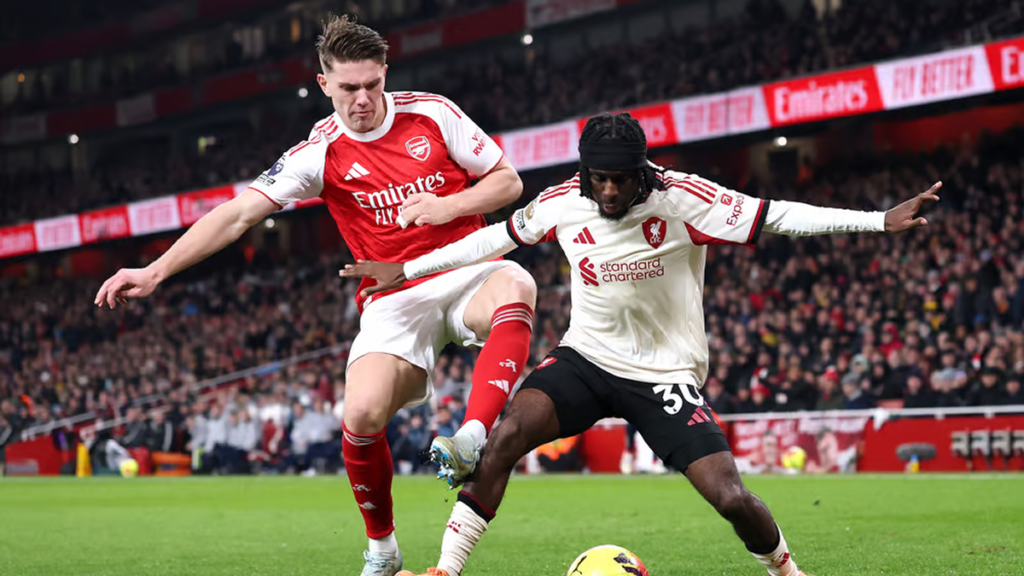
From the opening minutes, it was clear neither side intended to open up the game early. Both teams focused on positional control and quick recovery after losing possession. Arsenal looked to create through wide areas and set pieces, while Liverpool relied on deeper build-up and attempts from distance.
The most dangerous moment of the first half came when Liverpool struck the woodwork, briefly shifting the atmosphere inside the stadium and underlining how fine the margins were. Arsenal had moments of promise, but lacked a decisive final action in key areas.
The key to the opening period was caution. Neither side was willing to take a risk that might expose space behind their defensive lines.
Second half: changes without transformation
The tempo increased slightly after the break, though the overall pattern remained intact. Arsenal introduced fresh attacking options in search of greater penetration, pushing bodies higher up the pitch. Liverpool responded with composure in midfield, absorbing pressure and waiting for transitions.
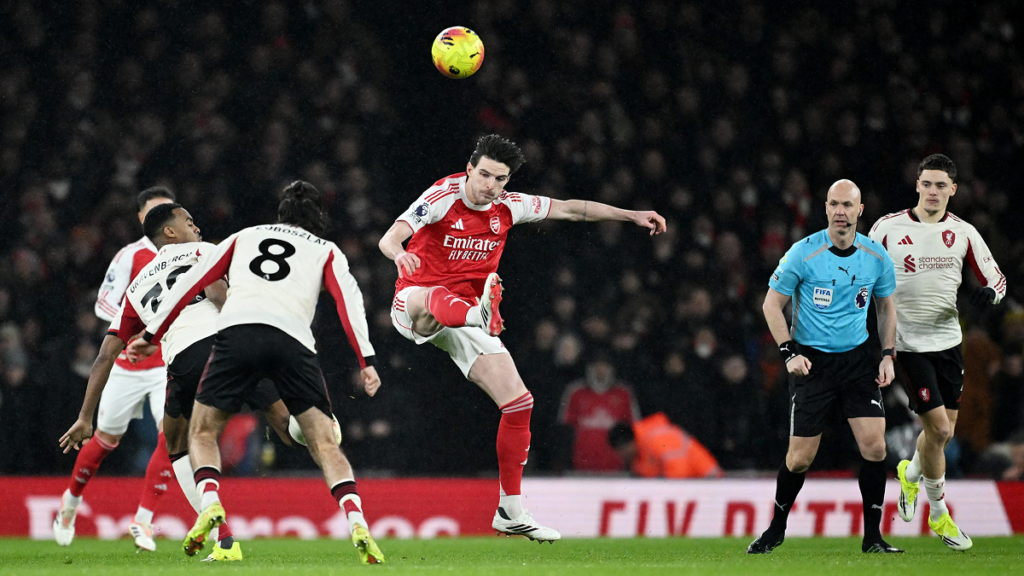
However, the real tension arrived late on. As the clock ran down, the match became fragmented, filled with fouls, stoppages and a sense that one moment could tip the balance.
Deep into stoppage time, Arsenal came closest. Two clear chances tested Liverpool’s goalkeeper, who remained composed under pressure and ultimately preserved the clean sheet. It was a reminder that in matches of this nature, individual moments often outweigh sustained spells of pressure.
The bigger picture: a draw that feels different for each side
A goalless draw may appear uneventful on paper, but its implications vary. Arsenal showed organisation and defensive control, yet the recurring issue of efficiency in decisive moments resurfaced. Liverpool, meanwhile, looked assured in managing the game, though lacked the cutting edge to capitalise on their best situations.
This is the detail that could shape what comes next.
Because while the points are shared, the underlying signals remain. And in a Premier League season defined by narrow margins, those signals may prove just as important as the result itself.