Ruben Amorim is no longer Manchester United manager. After 14 turbulent months, the club has once again pulled the plug on a long-term vision. His dismissal leaves United searching for answers they have been chasing for years.
A beginning that hinted at instability
Amorim arrived with promise but also with warnings that change would take time. From the outset, tactical adjustments and unfamiliar roles created a team in constant transition. Performances fluctuated, and cohesion was slow to develop.
Ole Gunnar Solskjaer’s previous chapter at Old Trafford
While results mattered, the mood around Old Trafford told a deeper story. Confidence never fully settled, and the side often looked unsure of its own identity. But tactics alone were not the core issue.
A season defined by uncertainty
As defeats accumulated, United struggled to respond when momentum was needed most. Matches that once felt routine turned into tests of nerve, and leadership on the pitch appeared fragile.
Big moments exposed recurring flaws — defensive lapses, lack of control, and emotional reactions. The real problem, however, lay beneath the surface: a lack of continuity and a clear internal structure.
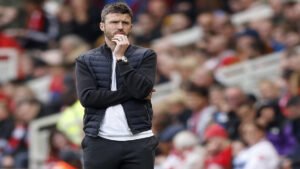
A familiar legend could take interim control at Manchester United
Europe offered hope — briefly
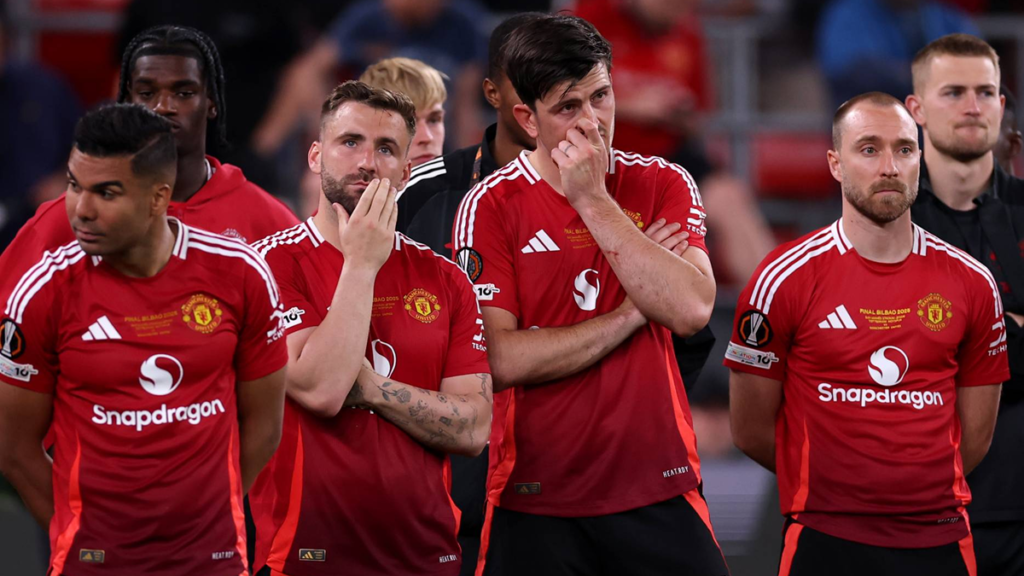
European nights provided a temporary escape. Dramatic comebacks and high-intensity matches suggested progress was being made. Yet the illusion did not last.
The final became a mirror of the entire era. Possession without purpose, hesitant decision-making, and a blunt attacking edge defined a performance that was supposed to change everything. Instead, it confirmed lingering doubts.
Cracks beyond the pitch
As pressure grew, tensions followed. Internal dynamics became increasingly visible, and focus drifted from football to hierarchy and responsibility. Public messaging turned sharper, reflecting frustration behind the scenes.
At that point, trust became difficult to sustain. Club executives searched for tangible signs of evolution but found too few. That absence ultimately sealed Amorim’s fate.
What comes next for United?
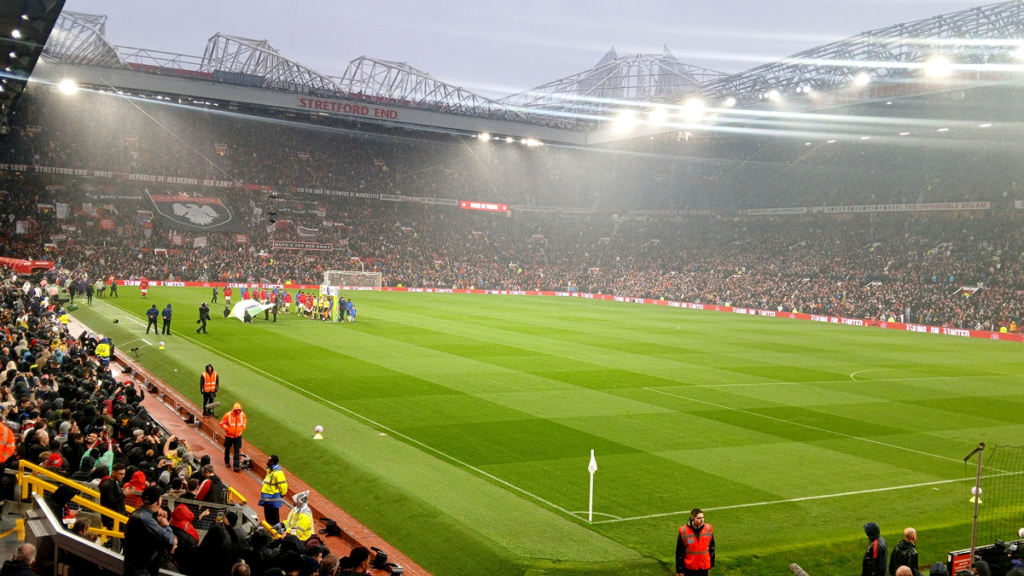
An interim solution is already in place, but the bigger question remains unanswered: what direction does Manchester United truly want to take? Another managerial change brings opportunity — and the danger of repeating old mistakes.
Because the real challenge is not the next appointment. It is whether United finally commit to building a system, rather than restarting the cycle once again.