Winning the Champions League has always meant glory, but this season it also meant financial separation. With €144 million earned, Paris Saint-Germain became the clearest example of UEFA’s new economic reality. Yet the real story lies not in the trophy itself, but in how the new structure reshapes European football.
A format built for the top
UEFA’s expanded Champions League promised inclusivity, but its financial impact tells a different story. The total prize fund rose to €2.47 billion, yet the biggest gains flowed toward the clubs already positioned at the summit.
PSG and Inter Milan alone absorbed a massive share of that increase, reinforcing a familiar pattern: progress deep into the competition now brings exponential financial rewards.
This is where the balance begins to shift.
Stability over surprise
Inter’s €136.6 million payout as runners-up highlights how continuity at the elite level is increasingly valuable. Clubs re-entering the competition after long absences, such as Aston Villa, were financially disadvantaged due to lower UEFA rankings.
That mechanism quietly reinforces hierarchy.
The system no longer measures a single season in isolation, but a club’s historical footprint in Europe.
The cost of falling short
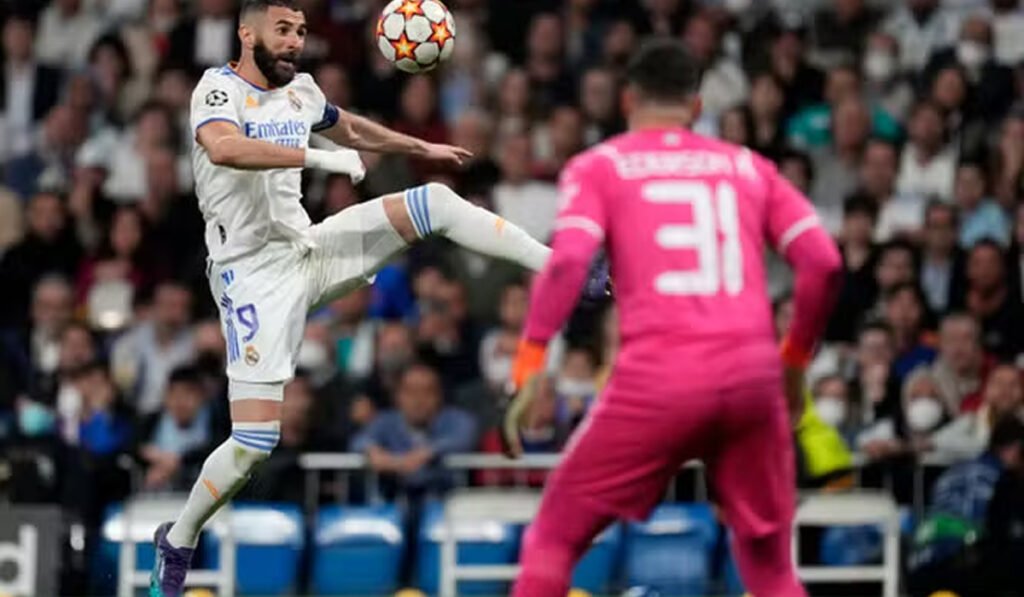
For Real Madrid, a quarterfinal exit resulted in a dramatic revenue drop compared to their title-winning campaign. Meanwhile, teams from smaller leagues, like Slovan Bratislava, earned sums that barely offset participation costs.
Participation alone is no longer enough.
Europe beyond the Champions League
The contrast with UEFA’s other competitions is stark. Europa League winners Tottenham Hotspur earned less than a third of PSG’s total, while Conference League success for Chelsea came with a fraction of the reward.
The financial hierarchy has never been clearer.
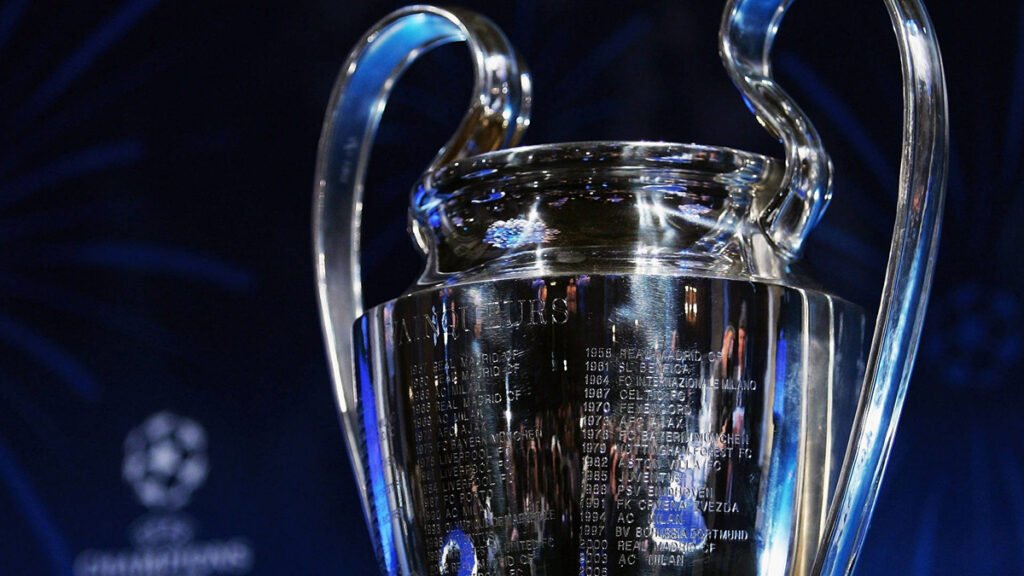
What comes next?
UEFA’s new model delivers unprecedented revenue, but also sharpens inequality. Whether this structure leads to broader competition or entrenches the elite remains unresolved.
The Champions League has changed — and the consequences are only beginning to surface.