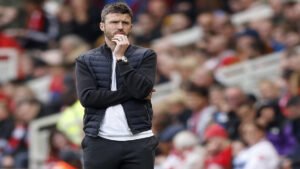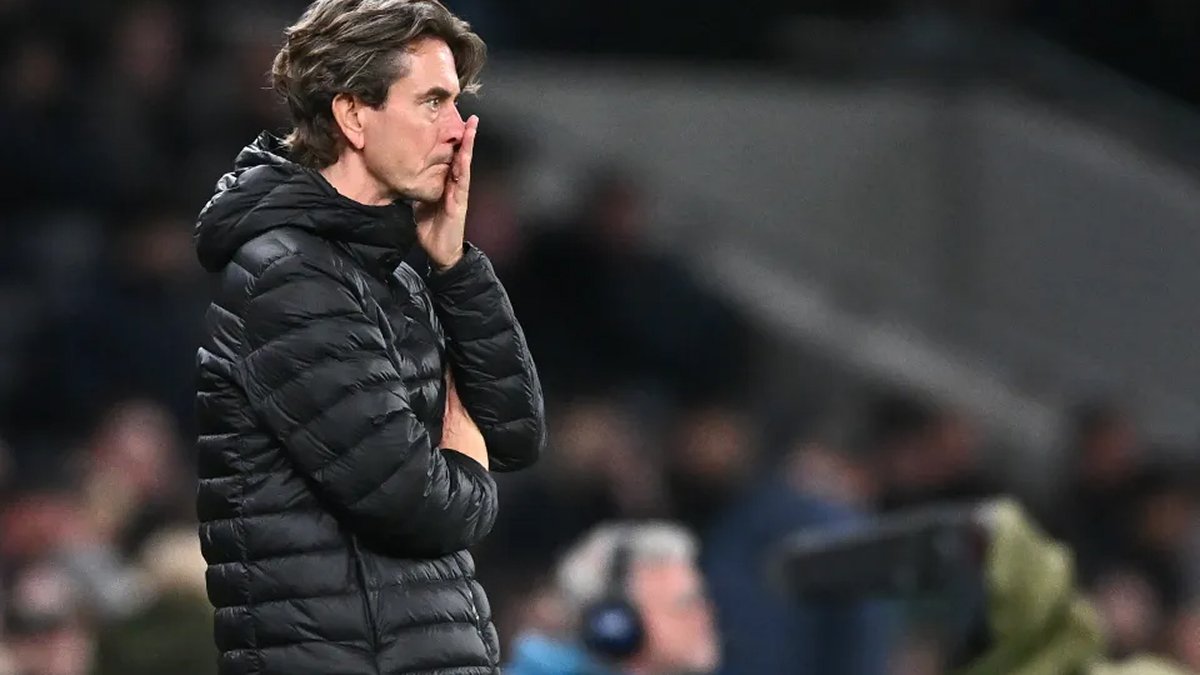
Tottenham hired Thomas Frank to bring order after a chaotic domestic season. Seven months on, the crisis feels less like a tactical debate and more like a relationship problem. When trust starts to slip, every match becomes a test of belief rather than just a contest for points.
A home ground that stopped feeling like a base
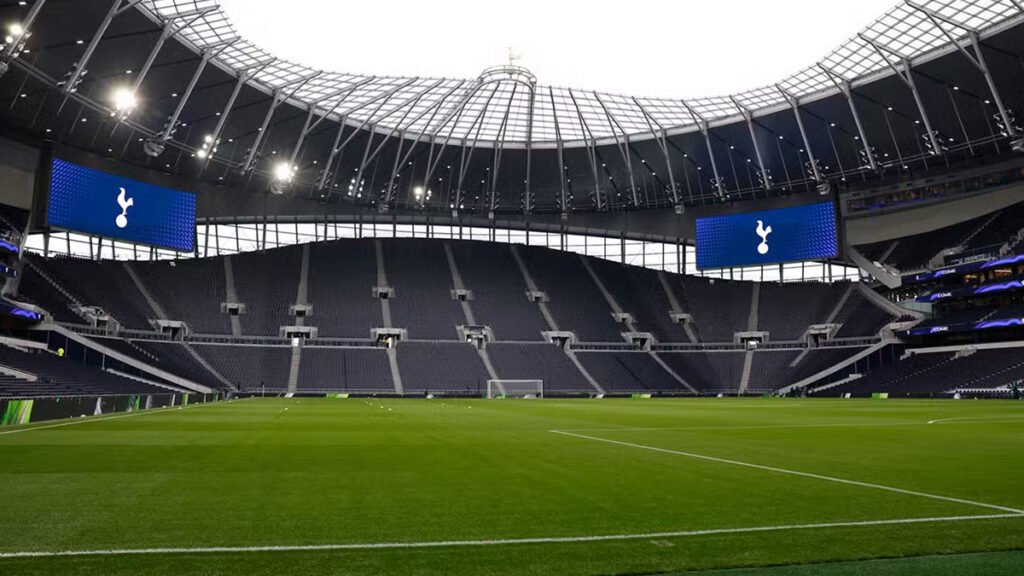
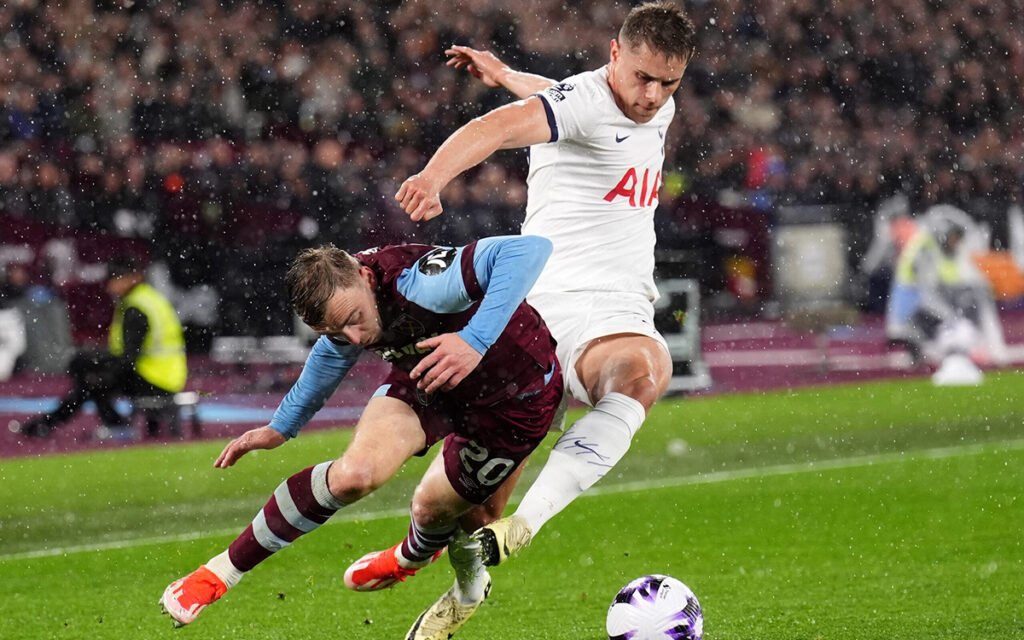
The clearest indicator of the downturn is Spurs’ home form: just two league wins in 11 at a stadium built to be an advantage. After the late defeat to West Ham, Tottenham found themselves down in 14th, with the mood inside the ground turning from anxious to openly hostile.
West Ham arrived fighting for survival and left with a last-gasp winner. Tottenham were left with the same lingering frustration that’s followed them through the winter: “good spells” don’t translate into security, and momentum can vanish in a single moment.
Now pause for a second — because the next part of the story isn’t about one match, but about why the people around it stopped believing the pattern would change.
The awkward timing of a new direction
Frank walked into a club that finished 17th last season, yet still ended a 17-year trophy wait by winning the Europa League. That contradiction matters: it means Spurs changed course right after proof arrived that the previous path could still produce something historic.
In that context, Frank didn’t inherit patience. He inherited doubt with a soundtrack. A poor run doesn’t read as a normal dip; it reads as validation for those who questioned the decision the moment it was made. The project isn’t judged only on performance — it’s judged against the emotional residue of what came immediately before.
And this is where the story tightens: at home, Spurs have looked like a team searching for calm and finding noise instead.
When the noise becomes part of the team
In a fragile environment, small things grow teeth. Even the reported leak of Frank’s starting line-up before the West Ham game becomes symbolic — not necessarily decisive on its own, but powerful in a club struggling to project unity.
That’s why the conversation has drifted beyond formations and substitutions. It’s about whether there’s a shared sense of direction between the bench, the players, and the stands. When supporters can’t see the route, every mistake looks like repetition, not progress.
The next test is about tone as much as points
Tottenham don’t get long to reset: Borussia Dortmund visit in a crucial Champions League fixture. One game won’t “solve” everything, but it can change the temperature — either buying space for the plan, or tightening the pressure further.
What happens next may depend less on a single result and more on clarity: does the club publicly and practically commit to Frank’s build (with stability, solutions, and time), or does every home match continue to feel like a weekly confidence vote? The story is still moving — and the next turning point might be one moment that finally convinces people, or one moment that breaks the last thread.