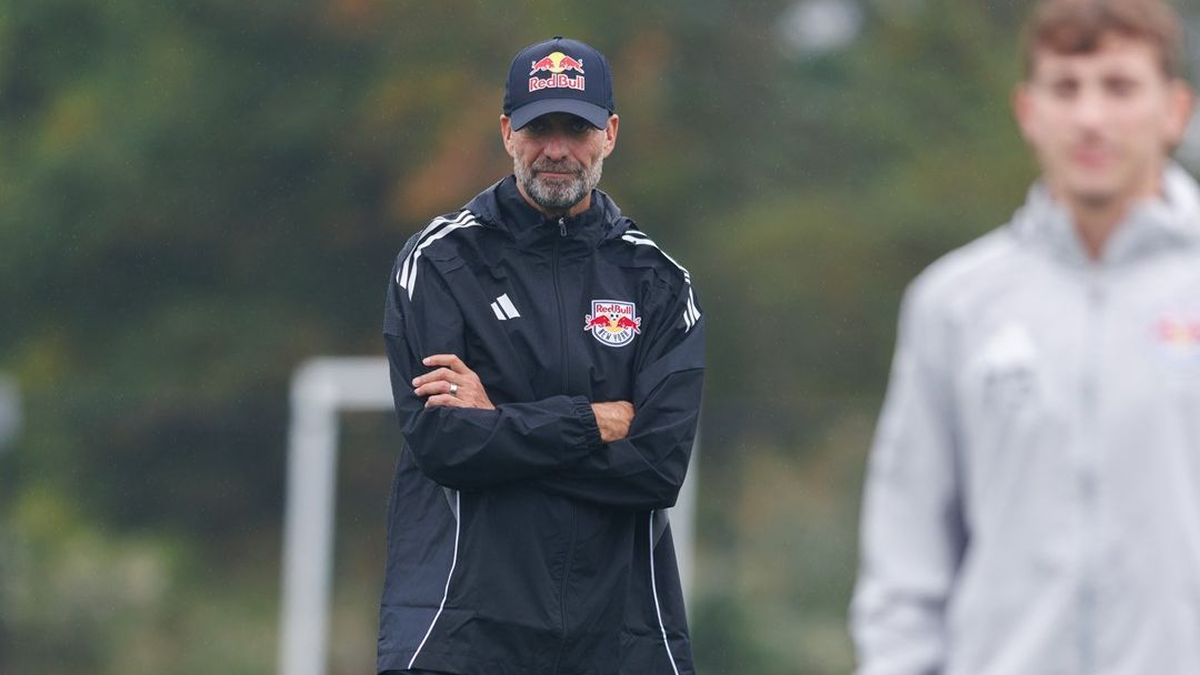
When Jürgen Klopp joined Red Bull’s football operation in early 2025, the move was initially seen as symbolic. Less than a year later, it has become clear that his position carries real influence. That shift is why his role now stands as one of the most intriguing developments in European football.
Beyond a ceremonial appointment
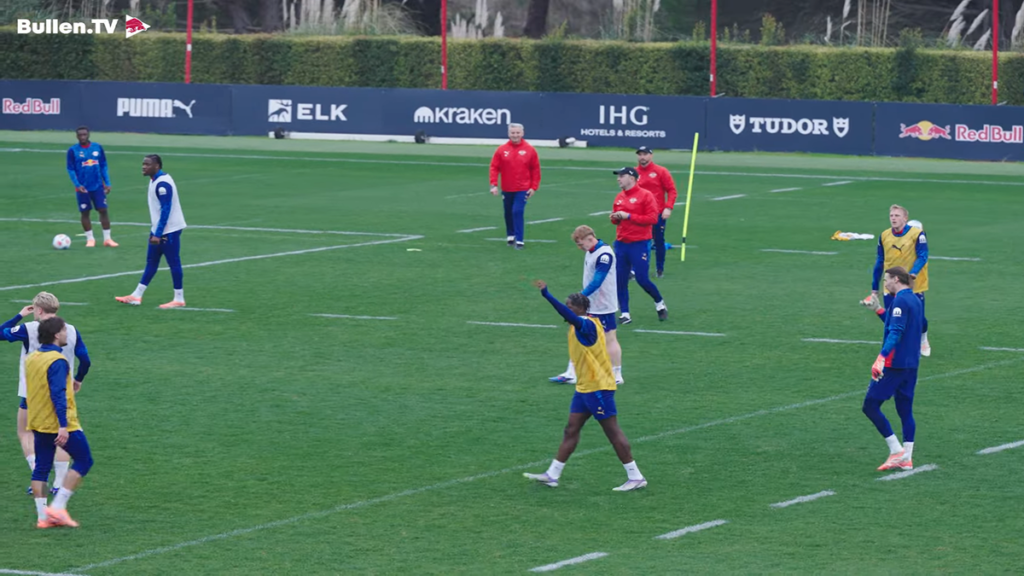
At first, Klopp appeared to be the public face of a project that has long divided opinion. His association with a multi-club model felt at odds with the values he had represented throughout his managerial career.
The turning point came with how quickly he immersed himself in the daily footballing processes. Training ground visits, involvement in recruitment discussions and long-term planning altered the internal dynamics of the organisation.
But the true scale of his influence only became evident during the summer.
Transfers with a long-term vision
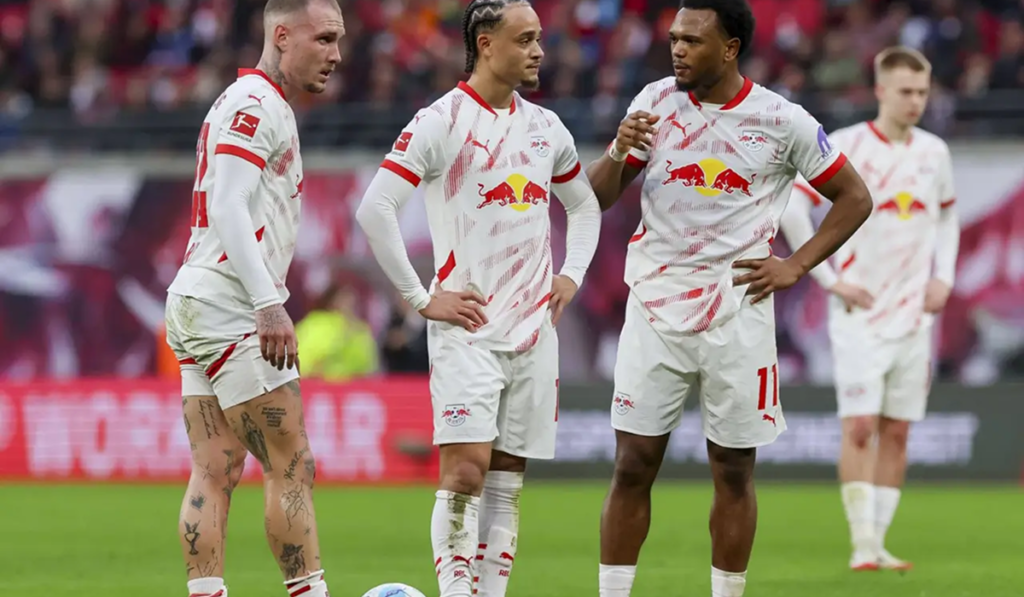
Red Bull’s clubs entered a new phase built around youth, sustainability and coherence. RB Leipzig, in particular, underwent a significant rebuild after a season that ended without European qualification.
The changes were structural rather than superficial. Recruitment focused on profiles aligned with a broader sporting philosophy, not short-term fixes. That detail may redefine how Red Bull’s football model is perceived across Europe.
While league position offers early encouragement, the clearer direction is arguably the more important development.
Decisions without sentiment
One of the most telling aspects of Klopp’s tenure has been his willingness to approve difficult decisions involving long-standing associates. Familiarity and shared history have not provided protection when performance and development diverged.
This approach underlines the seriousness of his role. He is not a consultant operating at arm’s length, but a decision-maker within a system that prioritises consistency over personal ties.
Still, his strategy is not built on distancing himself from trusted figures entirely.
Building a framework, not just teams
Rather than focusing solely on first-team outcomes, the emphasis has shifted toward creating structures that outlast individual appointments. New roles have been introduced, recruitment processes refined, and internal pathways clarified.
It mirrors the foundations Klopp laid earlier in his career, only now applied on a global scale. Instead of shaping one squad, he is shaping an ecosystem.
And yet, one question remains unresolved.
The bench may not be far away
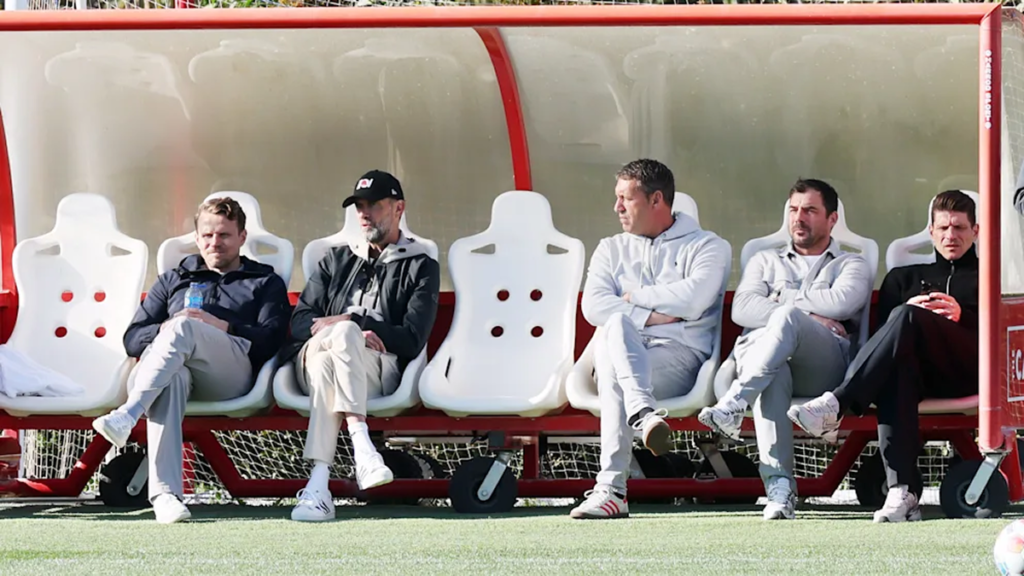
Despite his current boardroom presence, it is difficult to believe Klopp has closed the door on coaching for good. His competitive instincts suggest this phase may be transitional rather than final.
What happens next will depend on how Red Bull’s project evolves — and whether an opportunity emerges that redefines his priorities. The next chapter is still unwritten.