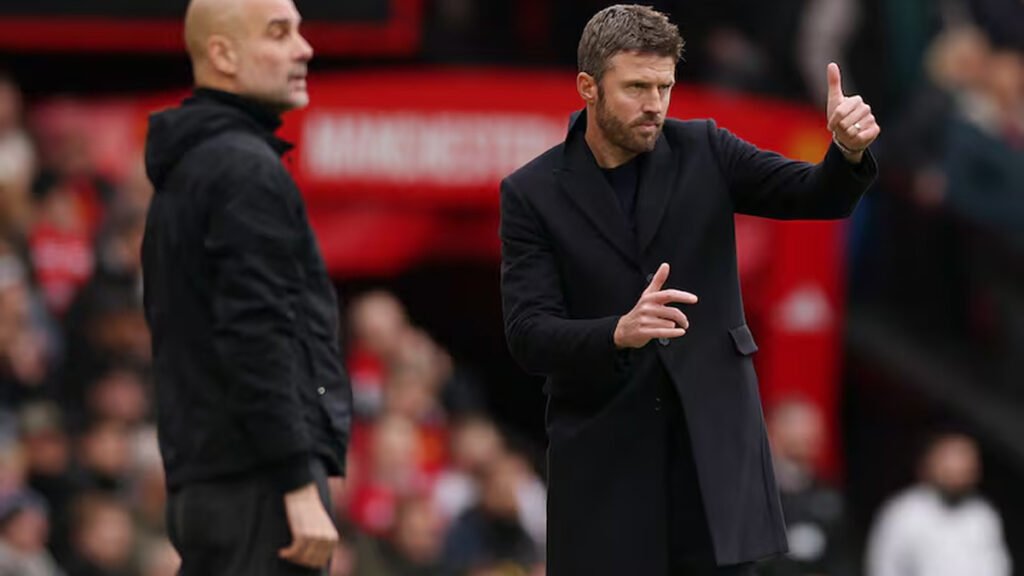
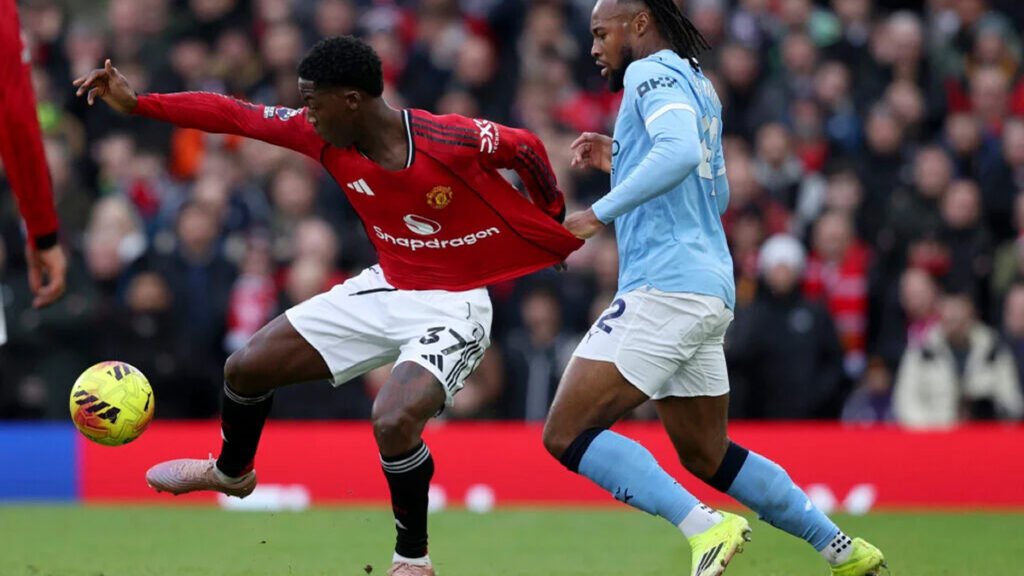
Manchester United’s 2–0 derby win over Manchester City didn’t just swing bragging rights — it shifted the season’s momentum at the exact moment the calendar starts deciding narratives. It was Michael Carrick’s first match as interim head coach. For City, it was another step in a worrying sequence when the margin for error is shrinking fast.
When the schedule doesn’t care about your transition
United arrived with turmoil still fresh: a coaching change, little time on the training pitch, and a crowd waiting for a response. Derbies rarely reward patience, and this one demanded immediacy — in intensity, in organisation, and in belief.
That’s why the performance matters beyond the scoreline. Once you slow the game down, the most revealing part is how quickly United’s details began to look deliberate.
The “instant shift” showed up in pressure and midfield control
From the opening exchanges, United pressed higher and competed harder through the centre. City’s build-up looked rushed more often than calm, and United repeatedly found ways to turn recoveries into direct threat.
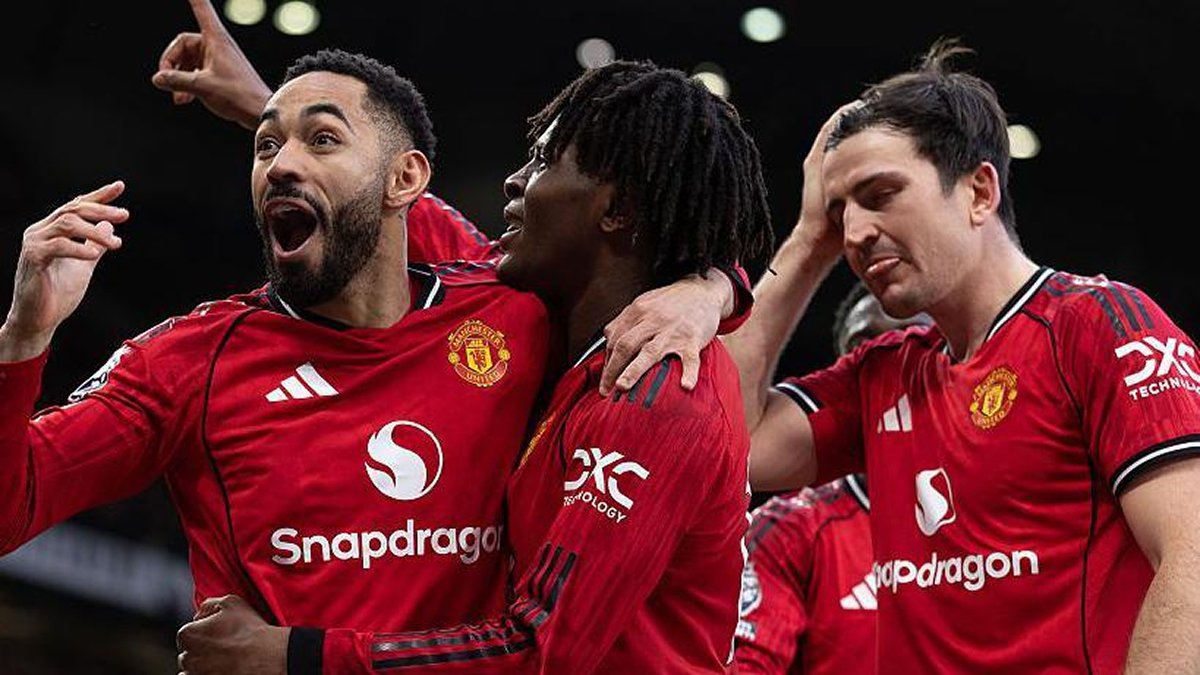
Goals from Bryan Mbeumo and Patrick Dorgu gave the display a finish, but the wider picture was just as striking: three more United efforts were ruled out for offside, while City managed only one shot on target. It wasn’t a smash-and-grab — it was a game where the tempo belonged to the home side.
City’s bigger worry is the trend, not the single defeat
Title races aren’t lost in one afternoon, but they can slip away through repeat patterns — especially in this part of the season. City are now without a league win in four, and if Arsenal take advantage of their fixture, the gap becomes less about points and more about time.
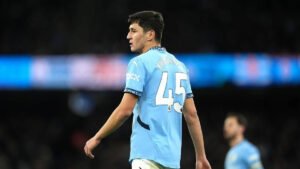
What stood out most was the midfield. City’s dominance over recent years has often begun in the central third, yet here they were second-best in energy and control. Rodri is still working his way back to full sharpness, and the support around him didn’t tilt the match the way City sides usually do. That’s the kind of shift that can change an entire run-in — because when City can’t dictate rhythm, they become unusually vulnerable.
Two storylines, one deadline: Carrick’s test and City’s response
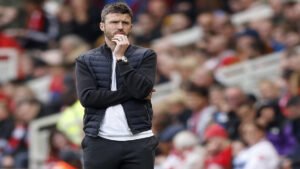
For Carrick, the win is the perfect opening statement — but the next step is harder: proving it travels. United’s upcoming trip to Arsenal arrives quickly, and that match will test whether this was a one-off surge or the beginning of a clearer identity.
City’s questions are different. Haaland’s recent return (one goal in seven) puts more weight on the rest of the attack, but the deeper concern is control: City used to manage difficult days through possession and midfield authority. Here, they didn’t — and that’s how a short wobble can turn into a defining month.
This derby doesn’t conclude anything. It speeds everything up: United head to the Emirates needing confirmation, and City move into the next round of fixtures knowing the season is starting to ask harder, faster questions.