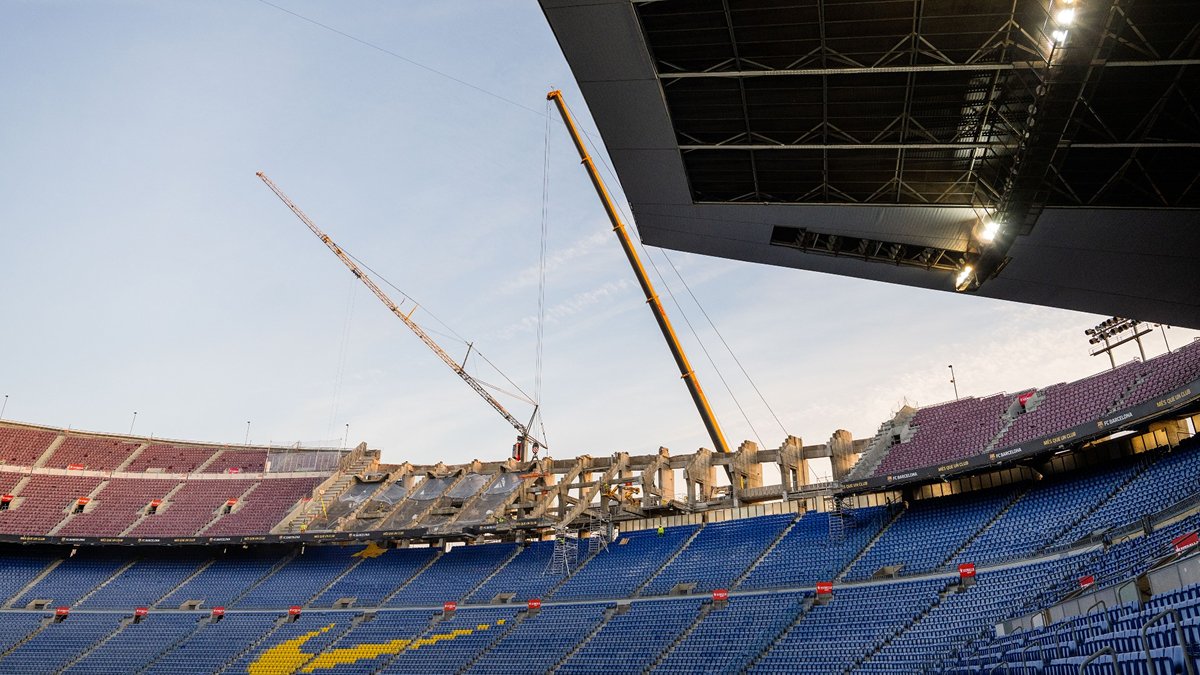
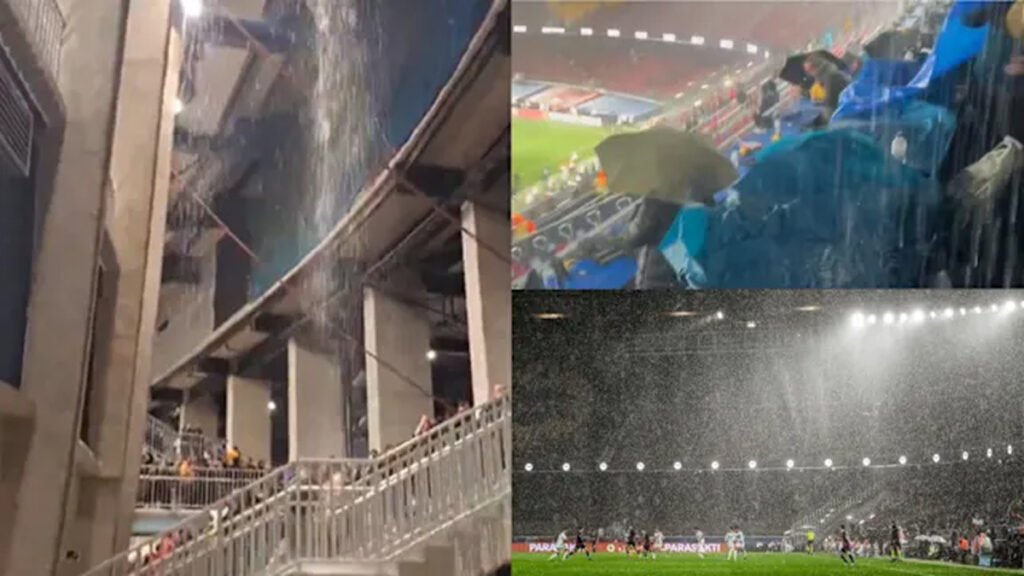
Barcelona’s return to Camp Nou was meant to signal stability, but a single downpour highlighted how fragile “almost finished” can look in real life. During the match against Real Oviedo, water reached areas used by commentators and media staff, turning routine coverage into damage control. With the project heading toward its planned completion window, time is suddenly the loudest storyline.
The first real stress test of the comeback
For a while, the rain was just atmosphere — then it became the event. Some supporters can choose comfort and leave early; broadcasters, reporters, and social teams can’t. They stay, no matter the weather, because the match doesn’t end when conditions get uncomfortable.
That’s why the incident matters beyond the optics. A stadium isn’t only seating and a pitch — it’s the operational backbone that has to function when the conditions are at their worst. Once water reaches work zones and equipment, the problem stops being cosmetic and starts affecting delivery.
And that’s where the pace slows, because the bigger question isn’t what happened — it’s why it’s happening now.
Open for business, still under construction
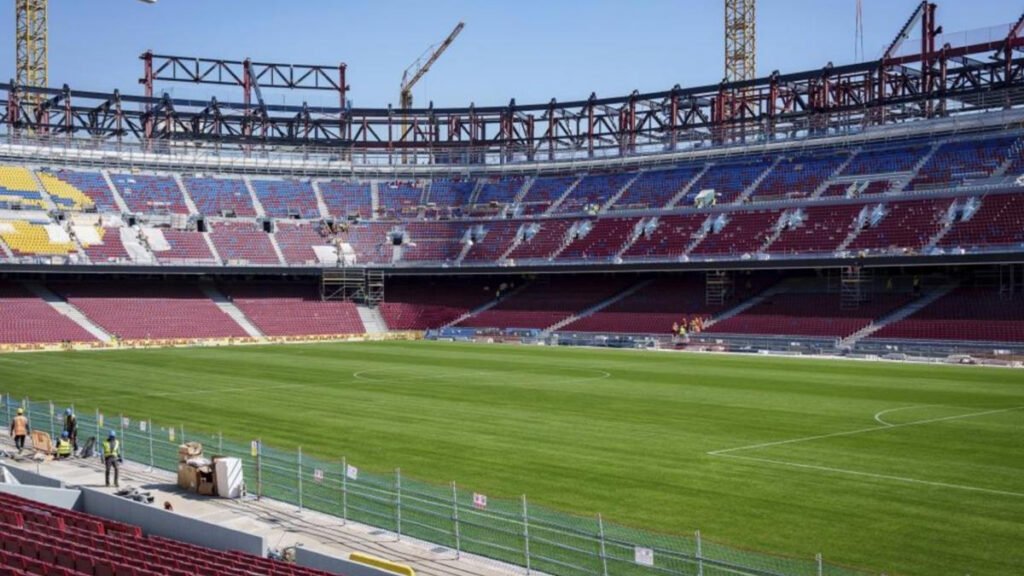
Camp Nou is back in use, but the numbers tell you it’s a controlled reopening rather than a full reset. The long-term plan is a 105,000-capacity venue, yet current attendance limits underline a reality every major rebuild shares: the stadium is performing while the project continues.
That balancing act is understandable — matchday revenue, atmosphere, and momentum matter. But each additional fixture staged before everything is truly sealed increases the chance that unfinished details get tested in the only way that counts: live conditions, with people, pressure, and weather.
Deadlines aren’t just project management milestones here. They determine whether testing happens in simulations — or on a night when everyone is watching.
What “reopened” really means when the work isn’t done
For a club as image-conscious as Barcelona, infrastructure problems quickly become narrative problems. Camp Nou is part of the club’s identity; it carries an expectation of control and modern standards. A leak over media positions clashes with that promise, even if the broader rebuild remains on track.
The practical implications are straightforward: coverage teams need a reliable workspace, equipment needs protection, and operations can’t be compromised by predictable weather. The reputational implications are harder: a “new” stadium is expected to behave like a finished product.
The next phase will likely be technical rather than theatrical — inspections, fixes, added safeguards, and another real-world test when the next heavy rain arrives. With the scheduled completion window approaching, the story stays open: will time become the project’s biggest ally — or the factor that keeps exposing what’s still unfinished?