Tottenham’s late push for Andy Robertson has fizzled out after Liverpool chose to step away from negotiations. On the surface, it looked like a familiar end-of-contract scenario: a veteran full-back, a bid, and a clear timeline toward summer. In practice, it’s a story about how the calendar can overrule the market.
A late move that changed the conversation
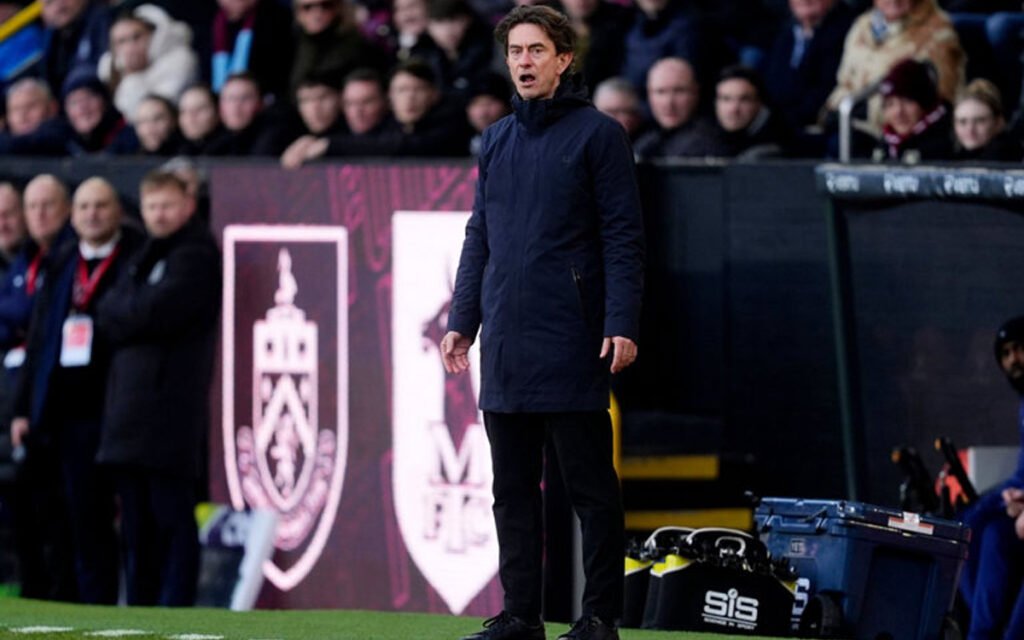
Spurs moved quickly, looking for leadership and stability as Thomas Frank tries to steady an injury-hit squad. Liverpool listened — partly out of respect for Robertson’s standing and partly because his deal is entering its final stretch. But listening is not the same as selling.
And timing, more than any headline fee, is what closes the door.
Robertson, by most accounts, didn’t push for an exit. Liverpool’s stance has been consistent: this is not the moment to weaken depth, even if the pecking order has shifted. Reduced league starts don’t automatically mean reduced importance — especially for a player trusted in high-level European nights and valued in the dressing room.
When fixtures tighten, depth becomes a strategy
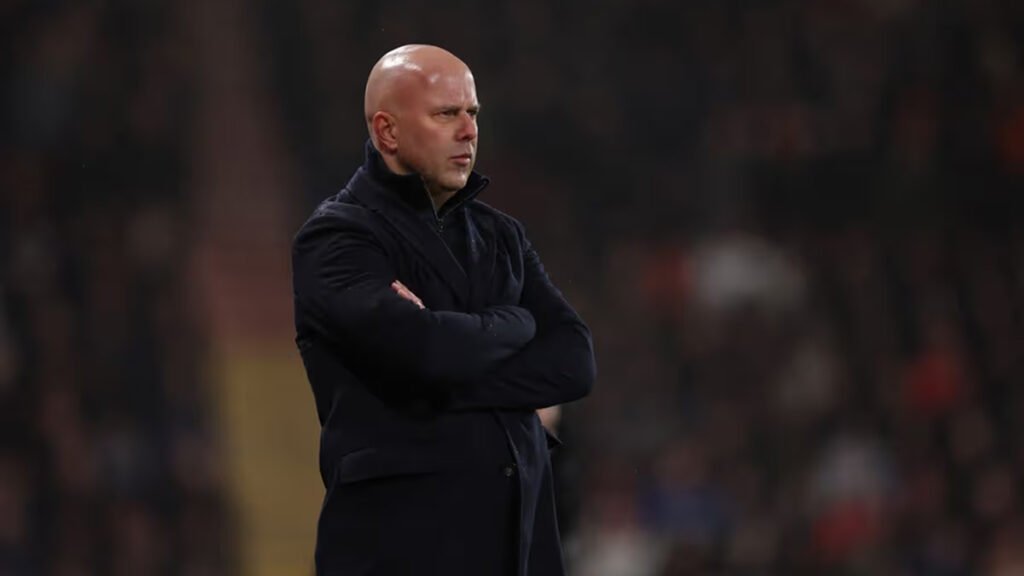
Liverpool’s decision lands in the part of the season where minutes are managed as aggressively as results. Arne Slot has already been juggling defensive availability, and the margin for error shrinks when one setback forces a chain reaction of reshuffles. In that environment, keeping a proven option — even as competition at left-back evolves — becomes less sentimental and more structural.
This is what clubs often forget in January narratives: it’s not only about upgrading a position, it’s about surviving the next six weeks.
Summer is still the pivot point
Virgil van Dijk and Slot have both signalled a preference to keep the group intact while Liverpool remain alive across multiple competitions. Yet the long-term question remains: if contract talks don’t move, summer still feels like the natural junction.
For now, the real pressure point isn’t a transfer saga — it’s whether Liverpool can navigate the run-in with enough defensive continuity to make that “wrong time to sell” verdict look like the right call.