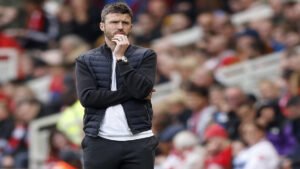
Harvey Elliott is still at Aston Villa, but the season has stopped feeling like a sporting story. Liverpool wouldn’t soften the terms needed to end the loan early, Villa wouldn’t pay to unwind it, and the January window closed with no escape route.
What makes it urgent now is that, in February and March, time doesn’t just compress fixtures — it compresses options.
Deadlines shape the reality on the pitch
This is the kind of modern dilemma where momentum is secondary to mechanisms — clauses, thresholds, and the clock.
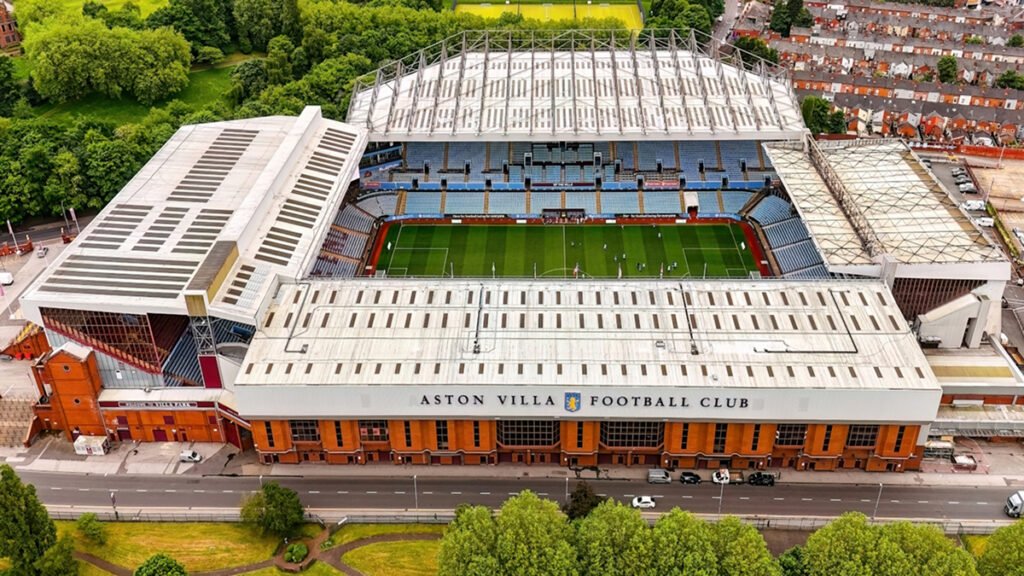
There was no straightforward recall lever Liverpool could pull on their own. An early termination required agreement, and a cancellation fee on Villa’s side. From Villa’s perspective, paying extra to remove a player they can simply stop using is hard to justify. From Liverpool’s side, waiving the fee sets a precedent and shifts the cost of the stalemate onto the parent club. The result is an awkward middle: a player effectively parked until the summer because the paperwork won’t move.
An appearance count that turns minutes into liability
The pressure point is the appearance trigger. The loan reportedly contains a threshold (often described as ten appearances) that flips the move into a mandatory purchase, priced in the tens of millions. Elliott is already close enough that every cameo becomes loaded. In that environment, selection isn’t purely tactical — it’s financial risk management.
That’s why he can be simultaneously “available” and practically unavailable: on the training pitch, but not in the manager’s week-to-week calculation unless circumstances force the issue.

Fit matters, but timing matters more
There’s also the football layer. Elliott’s strengths — finding pockets, linking play, arriving late into creative zones — don’t automatically align with a system that demands intense off-ball work and specific physical profiles in key roles. When a tactical question meets a contractual trigger, experimentation becomes expensive.
For a 22-year-old, the cost is rhythm. Training without a pathway to consistent minutes can quietly stall development, even inside a top Premier League environment.
So the next step isn’t a dramatic twist — it’s a slow countdown: do injuries, form swings, or fixture congestion reopen the door, or does the spring simply become a holding pattern until the summer window finally offers a clean reset?